
Coffee is one of the most popular beverages in the world, third only to water and tea. However, matcha is quickly rising to the top due to its many proven health benefits.
How do matcha and coffee compare though, and should you start drinking one instead of the other?
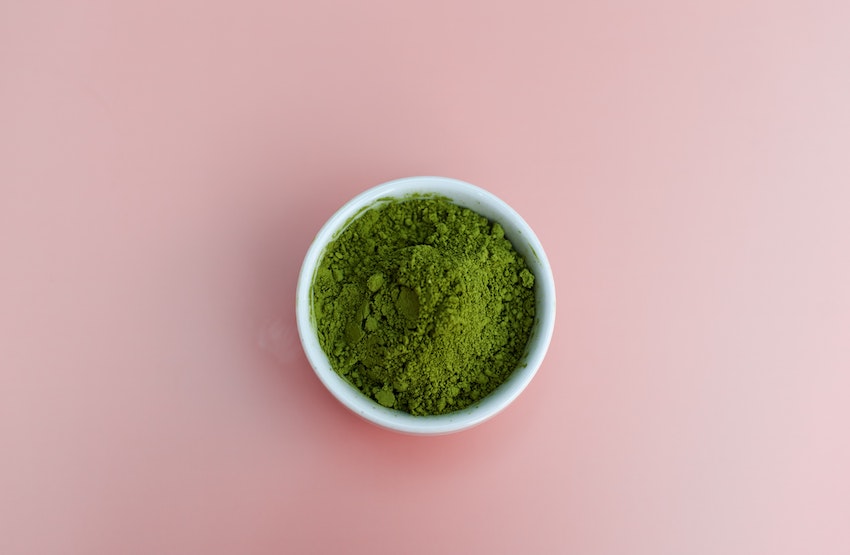
Matcha vs. Coffee: What’s the Difference?
Coffee and matcha share some interesting health properties. As follows are some of the most notable ones:
Health Benefits
Matcha is made by grinding tea leaves from the camellia sinensis plant and whisking it with hot water.
Camellia sinensis is rich in bioactive compounds including L-theanine, catechins, and caffeine, all of which aid in reducing stress and anxiety. Furthermore, these compounds are also said to boost your immune system and promote weight loss.
According to several scientific journals, matcha is found to have higher levels of antioxidants compared to coffee or green tea. It contains vitamins A and C, along with chlorophyll; nutrients that aren’t found in coffee.
Coffee, on the other hand, is mostly used as an energy booster. Its high caffeine content helps people feel less tired and improve various brain functions, including memory, mood, and reaction time.
Unlike matcha, coffee contains several important nutrients such as riboflavin, manganese, and potassium. It also contains higher concentrations of polyphenols, protein, and iron.
Caffeine Content
Coffee has a higher caffeine content than matcha, which can be both a good and a bad thing. According to the US Department of Agriculture, coffee contains around 94mg of caffeine per cup. In comparison, matcha only contains about 70mg per cup.
Caffeine has numerous health advantages and disadvantages. For one, it decreases fatigue. It also improves mental function and short-term memory. That’s good news for both matcha and coffee, as both contain varying amounts of caffeine.
Since coffee has higher caffeine content, it’s more likely to cause caffeine use disorder or dependence. Caffeine dependence may cause unwanted side effects including insomnia, increased heart rate, headaches, anxiety, and jitters.
Matcha, on the other hand, contains L-theanine, an amino acid that’s responsible for absorbing caffeine at a slower rate. L-theanine has a calming effect on the body and is less likely to cause caffeine crash or caffeine dependence.
Matcha Pros and Cons
Matcha and coffee both have their fair share of pros and cons. Let’s start off with the advantages and disadvantages of matcha.
Pros of Matcha
- Better oral health
- Easy to make; no special equipment needed
- Promotes relaxation
- Antibacterial properties that help clear up acne and promote better skin
- Rich in antioxidants
- Better caffeine high
Cons of Matcha
- Isn’t widely-available
- More expensive
- Contains EGCG, which can lead to liver toxicity if consumed in high doses
- Risk of heavy metal contamination as it’s made from pulverized green tea leaves
Coffee Pros and Cons
As follows are some of the proven advantages and disadvantages of coffee:
Pros of Coffee
- Quicker caffeine spike
- Less expensive and widely available
- May lower the risk of type 2 diabetes
- May drastically improve physical performance
Cons of Coffee
- Coffee breath
- Bad for teeth
- May cause caffeine dependence
- May cause blood sugar levels to fluctuate
Bottom Line
Coffee and matcha both have individual advantages and disadvantages. They both lower the risk of heart disease and cancer, along with increasing the body’s energy levels and promoting weight loss.
Ultimately, whether you decide to indulge in coffee or matcha entirely depends on your personal taste and preference.