
Whether you’re in the Hot or Cold Team, here’s how you can make your coffee simply exquisite.
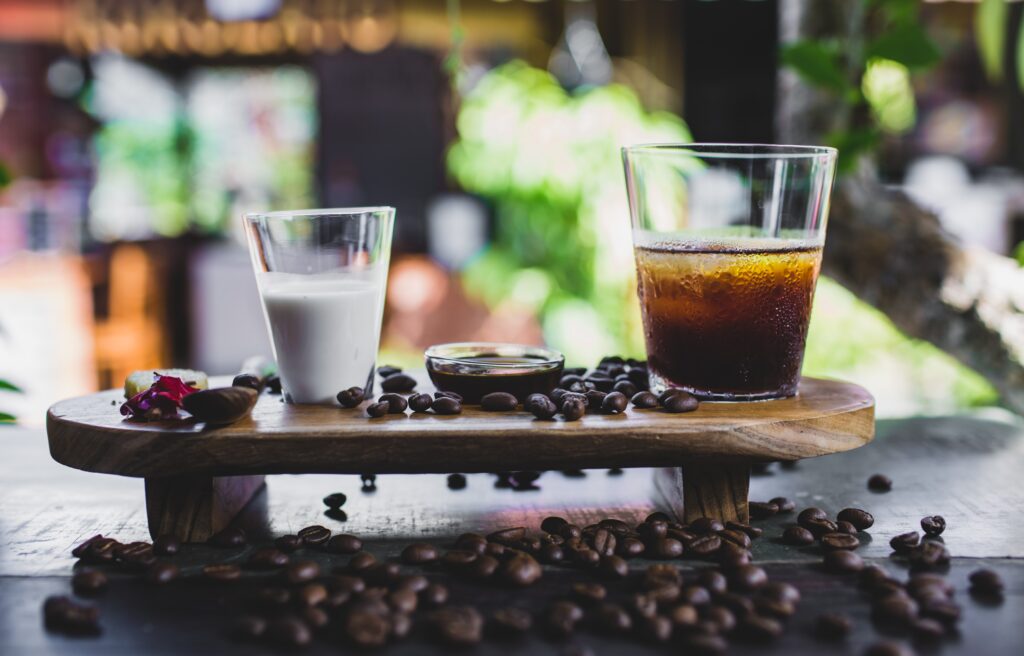
There are many people who get out of bed each morning and stumble to the kitchen to make a fresh pot or cup of coffee to start their day, but while a piping hot “cup ‘o joe” might be what most think of, it isn’t the only option. Plenty of people enjoy cold coffee as well. Of course coffee isn’t just for that morning pick me up. Many people look to the cold brew variety for a change of pace. Cold brew coffee isn’t just cooled off hot coffee. There is a different brewing process, and it results in different qualities to the coffee itself. Whatever kind of coffee you are in the mood for, it requires the right kind of preparation and patience. These choices can affect the coffee’s level of bitterness, acidic levels, flavor and caffeine levels.
Making the Right Cup of Hot Coffee
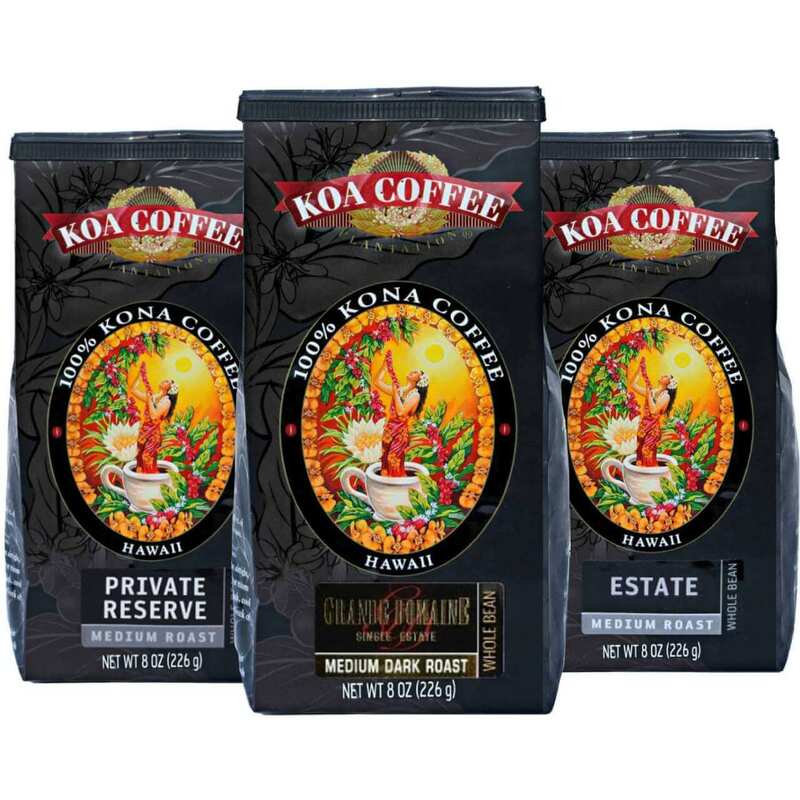
Making the right cup of hot coffee starts with the coffee you choose. Whole bean coffee allows you to keep the coffee fresher and grind it right before you need to brew it. A quality medium roast coffee offers the best of both worlds and will make your coffee time a true treat, no matter what time of day you choose to enjoy it. Once you’ve chosen your coffee, it is time to choose how you are going to brew it, This can be done in an automatic drip coffee maker (electric or stovetop), a French Press, or a pour-over type of coffee maker.
Normally hot coffee can be ready in about 10 minutes or less as it requires hot water to go over the grounds in order to capture the flavor. Hot coffee gives a warming sensation that many people like, but also tends to be more acidic than cold-brewed varieties, as the hot water brings out the chlorogenic acid. It also has a more bitter flavor, this is especially true in darker roasts, which many prefer. Hot coffee also has slightly less caffeine than cold brew coffee, and can sometimes lose some of its flavor as it sits.
There is a lot you can do with a hot cup of coffee. It can be brewed as an espresso, a very strong coffee and added to steamed mile for a latte, or to hot water in order to experiment with the experience of drinking coffee. If you’ve ever gone out for coffee, you’ve no doubt seen a wide variety of options, and have likely tried several.
There are both positive and negative components to coffee, regardless of how it is brewed. One benefit hot coffee has is that it contains more antioxidants, which are released by the heat.
How Cold Brew is Different

Cold brew coffee is not the same as iced coffee, because iced coffee is strong hot coffee (espresso) poured over ice. Cold brew coffee is brewed while it is cold. To make cold brew, you need cold water and a place for it to brew. Many people use a French Press to make cold brew coffee, an immersion system coffee maker, or even a mason jar. Cold brew coffee takes far longer to brew than hot coffee. Some people choose to use coffee that has been brewed and concentrated ahead of time to get make some of that “on demand” coffee enjoyment that hot coffee provides. Cold-brewed coffee does not lose flavor as quickly as hot coffee, so having it sit in a bottle or other receptacle is normally not a big issue. If you are brewing from scratch, your cold brew coffee will need 12-24 hours of seep time.
Once you have cold-brewed coffee, you’ll likely notice there is a bigger difference than just the temperature. Cold water does not release tannins the way hot coffee does, so there is less acidity and bitterness. It offers a great option to those who love their coffee, but have started to experience heartburn or other digestive issues. Cold brew is the gentler option. Without the bitterness created in the brewing process, there is actually more natural sweetness in a cold brew. Even if you’ve always added something extra to your hot coffee, you may want to give your cold brew a shot while it is still black in order to make an informed decision on what you want to add or leave out of your beverage.
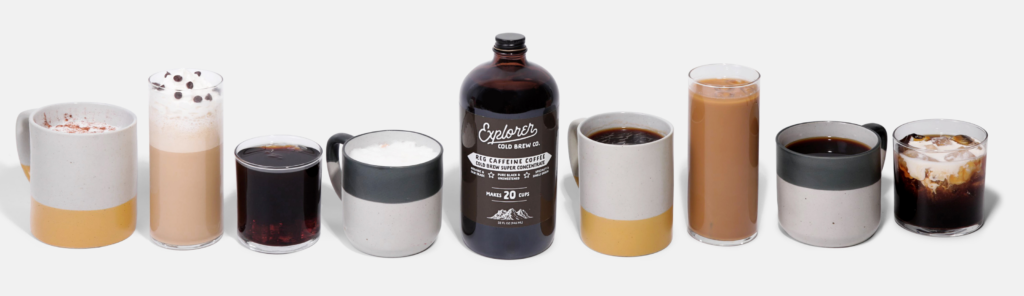
A wide variety of drinks can be made with cold brew. You can add in ice, milk or plant-based milk, make a cold brew soda, mix with a variety of liqueurs to make a cocktail, or add some to a dessert recipe.
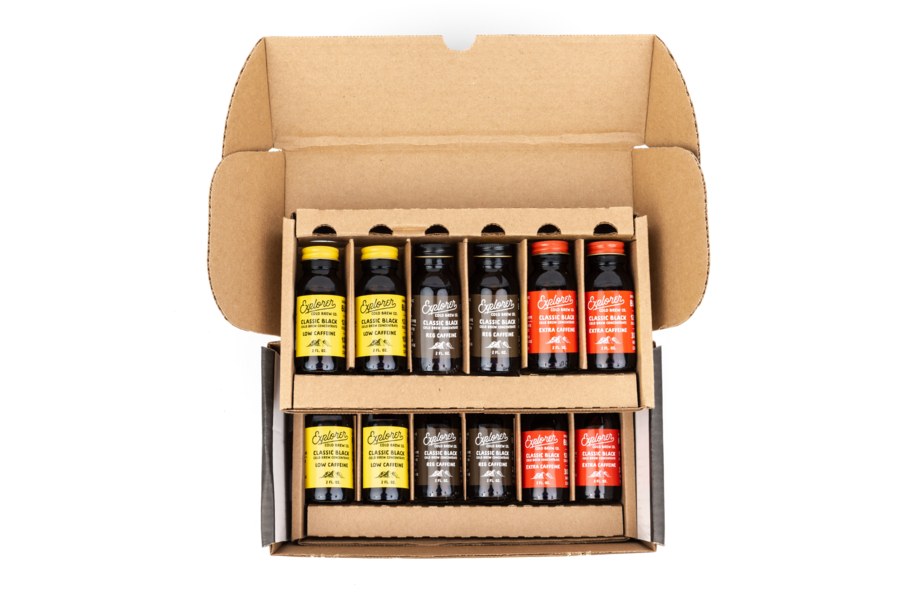
Cold brew coffee is better for the digestive system, and with a bit more caffeine it can potentially wake you up faster than the heated counterpart.
But with less bitterness, it is overall less likely to contain all the extras that are often “needed” in a hot cup of coffee.
Many people who have been adding things to a hot brewed coffee may discover that they have really been craving a cold brew coffee all along.
You Don’t Have to Choose Just One
If both hot coffee and cold brew sound intriguing to you, the good news is that you don’t have to choose between them. Many popular coffee houses have an option to order a cold brew any time you want. During cold and rainy days, you may want to use your automatic drip coffee pot and warm up with a hot cup of coffee first thing in the morning. During a heatwave, you may be equally thankful that you’ve been brewing a batch of cold brew and it is waiting for you in the refrigerator. The thing about all coffee is that it is incredibly versatile, and you can make what you want when you want it.